


Pennsylvania winters are tough. Snow covers the Poconos, and ice storms hit the whole state, making things very hard for Ford drivers in the winter. To keep your Ford vehicle comfortable, safe, and out of the shop when you need it most, you need to know how to winterize it.
Why Pennsylvania Winters Demand Special Ford Preparation
Winter weather varies significantly across Pennsylvania. According to the Northeast Regional Climate Center, some areas receive as little as 50% of the average winter precipitation, while others get up to 200%. Further, some areas get over 12 inches above the average snowfall, while others see over 12 inches below. Across the state, temperatures often run colder than usual, with 30 of 35 weather stations reporting below-average readings. In these changeable seasonal conditions, winter preparation for your car is crucial.
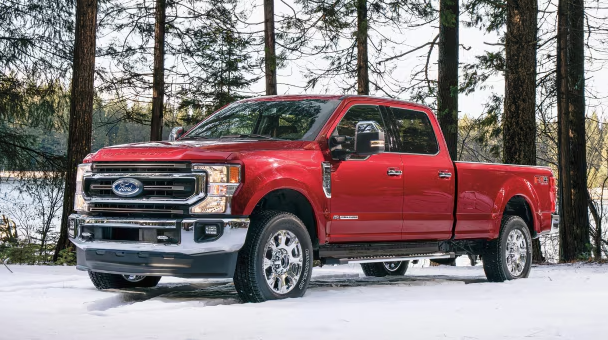
Snow and ice aren’t the only threats. The salt and chemicals used on Pennsylvania roads in winter can also be damaging. Salt mixed with moisture creates the perfect recipe for rust. This can wreak havoc on your Ford’s undercarriage, wheel wells, and other metal parts. It eats away at your car’s clear coat, causing scratches and paint damage that quickly ages your Ford. Salt buildup in drainage spots also leads to water collecting where it shouldn’t, damaging your vehicle’s frame over time.
Essential Winter Car Maintenance
Your Ford’s engine and cooling system need a thorough check before Pennsylvania’s freezing temperatures hit. Start by checking the antifreeze mixture — an equal blend of antifreeze and water protects your vehicle down to about minus 34 degrees Fahrenheit. Check the mix by using a refractometer to measure both freezing and boiling points. You should also inspect hoses and belts for damage and test your thermostat to ensure it’s working properly.
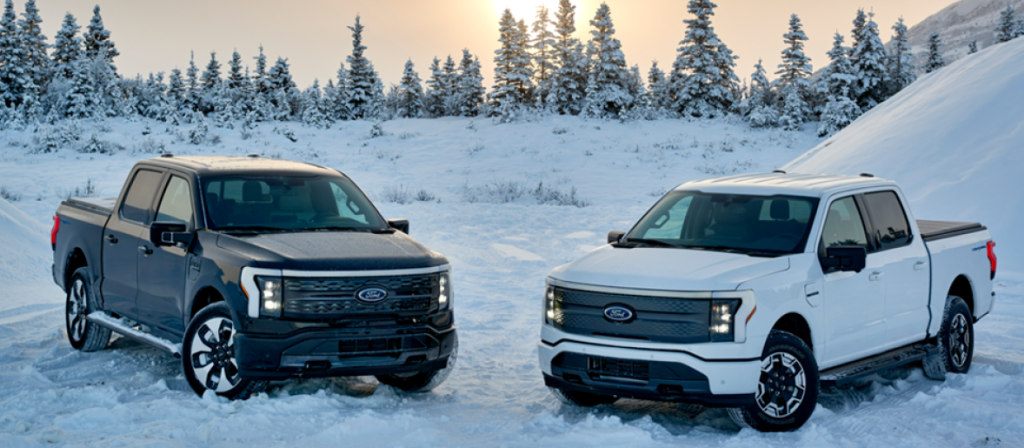
Seasonal weather affects your Ford’s battery as well. Cold winter temperatures thicken engine oil, making it harder for the battery to start the engine, while summer heat accelerates battery wear. A healthy battery reads around 12.6 volts on a multimeter — if yours shows below 12 volts, get it checked before winter arrives. Most batteries last three to five years before they start failing. If your battery is older than three years, you might consider replacing it.
Tires matter most when roads turn slick. Tire pressure drops about one psi every time the temperature falls 18 degrees, so check them often. If you drive on icy or snowy roads, use winter tires with at least 6/32 tread depth. These cut braking distance by up to 25% in snow compared to all-season tires while channeling slush away. Per Ford’s recommendations, you should rotate your tires every 5,000 to 8,000 miles, replace cabin air filters every year or 15,000 miles, and check fuel filters every 20,000 to 40,000 miles.
Interior and Exterior Winter Protection
Clear vision saves lives during harsh winters, and your washer fluid choice matters more than you’d think. You’ve got two main options: blue fluid, rated to minus 20 degrees F and below, and green fluid, only good over 32 degrees. Since Pennsylvania temperatures can plummet 15 to 30 degrees below average, choosing that low-temperature blue fluid is essential. You should also swap out worn wiper blades, test your defrosters thoroughly, and keep extra supplies for clearing ice and snow to hand.
Protecting your Ford’s body takes planning and regular care. Start with a good wash and wax to shield against salt damage, and then wash your Ford weekly once the snow starts falling to prevent rust. Paint protection film runs $1,495 to $2,195, depending on coverage, and typically provides a 10-year warranty against everything from road salt to UV fading. Paint sealant costs around $599, eliminates the need for waxing, and can last up to 10 years. You could also consider underbody sealers, which often carry 10-year warranties and help block salt and stones while reducing road noise.
Ford’s Winter Features and Technologies
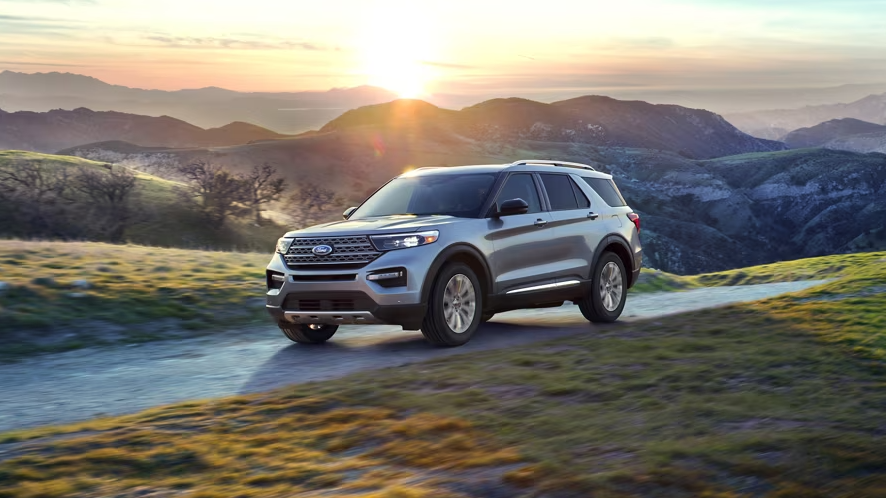
Ford’s smart all-wheel drive (AWD) and four-wheel drive (4WD) systems give you an edge on unpredictable winter roads. The Intelligent AWD monitors traction continuously, adjusting power between wheels as conditions change. The 4WD system goes further by actively distributing torque based on wheel sensor and accelerometer readings, as well as steering angle and outside temperature. Certain Ford models offer additional winter features. For example, the Explorer includes Deep Snow Mode, and the Edge offers Slippery Drive Mode that adjusts the throttle and transmission for better control.
Ford’s Co-Pilot360 technology is especially helpful when winter limits visibility and traction. This safety package includes pre-collision assist with automatic emergency braking, blind-spot warnings with cross-traffic alert, and lane-keeping help. The Assist+ option adds smart cruise control and lane centering to help with driver fatigue in tough conditions. The headlights also adjust to road conditions in real time, boosting night vision while cutting glare for other drivers. The remote start feature lets you warm up and defrost your Ford before you brave the cold, while the heated steering wheel and seats make icy mornings much more bearable.
Building Your Ford Winter Emergency Kit
Every Ford owner in Pennsylvania needs a solid winter emergency kit. Start with the basics: a good flashlight with spare batteries, first aid supplies, emergency flares, and warm blankets. Add car-specific tools such as an ice scraper and snow brush, jumper cables that match your battery specs, and a tire gauge, as well as a standard tool kit with screwdrivers, pliers, and a wrench. Don’t forget sand or cat litter, a compact shovel, and a strong tow strap, in case you get stuck.
You should also bring a portable phone charger that is fully charged and write down emergency contacts on paper in case your phone dies. Energy bars, water that won’t freeze solid, extra warm clothes, hand warmers, and some cash are all good things to have on hand for emergencies. Put everything in a container that won’t get wet, and check your kit once a month to replace dead batteries or things that have gone bad.
Keep Your Ford Winter-Ready With Professional Service in Phoenixville
Winter preparation for your Ford requires professional know-how. Our technicians at John Kennedy Ford understand exactly what your vehicle needs to tackle Pennsylvania’s brutal winters, and we use only genuine Ford parts. From testing coolant ratios to making sure your AWD system works perfectly, professional service pays off in safety, reliability, and long-term value. Don’t wait for the first snowstorm to discover you missed something important. Contact us today to schedule your service and drive with confidence all winter long.
Images from ford.com
Connect with us


- July 2026
- June 2026
- April 2026
- March 2026
- February 2026
- January 2026
- December 2025
- November 2025
- October 2025
- September 2025
- August 2025
- July 2025
- June 2025
- May 2025
- April 2025
- March 2025
- February 2025
- January 2025
- December 2024
- November 2024
- October 2024
- September 2024
- August 2024
- April 2024
- March 2024
- February 2024