
Blog / Ford Vehicles

2026 Ford Ranger Engine Options and Towing Capabilities

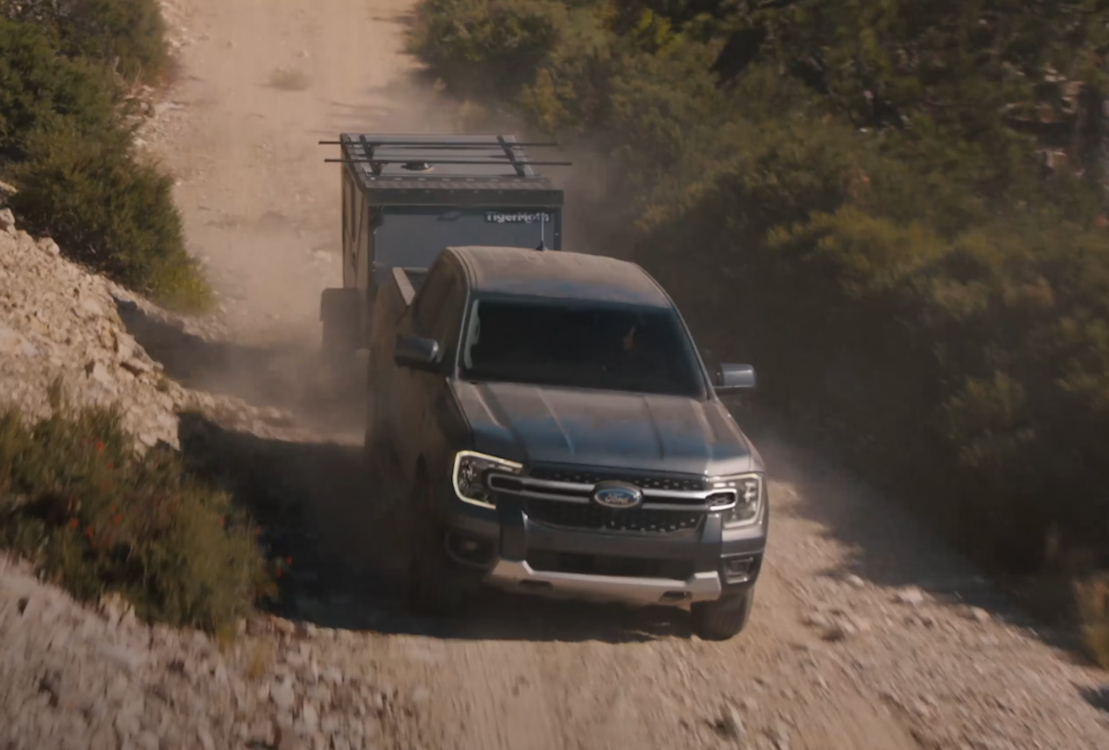
Gray 2026 Ford Ranger towing a trailer off-road

Choosing the right truck engine isn't about chasing the biggest numbers. It's about matching capability to how you'll actually use your vehicle. The 2026 Ford Ranger lineup offers three distinct engine options, each engineered for specific driving scenarios, from fuel-conscious daily commuting to serious weekend towing and extreme off-road performance. At John Kennedy Ford Phoenixville, we help Pennsylvania drivers navigate these choices to find the powertrain that fits their lifestyle, not just their wishlist.

What's Under the Hood: 2026 Ford Ranger Engine Options Overview

The 2026 Ford Ranger carries over unchanged from the previous model year, which means you're getting proven powertrains with a track record. All three engines pair with a 10-speed automatic transmission that delivers smooth shifts whether you're merging onto Route 422 or navigating gravel trails.

Your options start with the standard 2.3L EcoBoost four-cylinder, a capable workhorse that prioritizes fuel efficiency without sacrificing everyday performance. Step up to the 2.7L EcoBoost V6, and you'll gain substantial power increases that translate to confident towing and quicker acceleration. The range-topping 3.0L Twin-Turbo V6, exclusive to the Ranger Raptor, delivers 405 hp and serious off-road hardware for enthusiasts who demand maximum capability.

Each engine serves a different purpose. The base four-cylinder suits commuters who occasionally haul gear. The V6 targets weekend warriors who regularly tow boats or trailers. The Raptor's twin-turbo engine appeals to drivers who prioritize high-speed off-road performance above all else.

Explore our Ranger inventory to compare all three engine options and experience the differences firsthand through test drives.

The 2.3L EcoBoost Four-Cylinder: Efficient Power for Everyday Driving

Ford's 2.3L EcoBoost engine produces 270 hp and 310 lb-ft of torque, figures that prove more than adequate for most daily scenarios. This turbocharged four-cylinder uses forced induction to deliver V6-like performance when you need it while maintaining smaller-engine efficiency during normal driving.

Real-World Performance for Phoenixville Roads

On Pennsylvania roads, the base engine handles varied terrain with genuine competence. Its turbocharger spools quickly, providing responsive acceleration from stoplights and confident passing power on highways. The 10-speed automatic transmission keeps the engine in its sweet spot, extracting maximum performance even when loaded with cargo or passengers.

Five selectable drive modes (Normal, Eco, Sport, Tow/Haul, and Slippery) let you tailor throttle response and shift patterns to conditions. Eco mode prioritizes fuel economy during commutes. Sport sharpens throttle response for spirited driving. Tow/Haul adjusts shift logic to maintain engine braking and prevent excessive transmission hunting when pulling trailers.

Fuel efficiency stands out as this engine's strongest attribute. Rear-wheel-drive configurations achieve 21 city/26 highway mpg, while four-wheel-drive models deliver 19 city/26 highway mpg. For truck shoppers prioritizing operating costs, these numbers represent meaningful savings over thousands of miles.

Towing and Hauling with the Base Engine

The 2.3L EcoBoost surprises many buyers with its 7,500-lb maximum towing capacity. That's sufficient for small boats, utility trailers, and recreational equipment like ATVs or camping gear. Payload capacity similarly handles weekend projects and outdoor adventures, whether you're hauling mulch from the garden center or loading camping gear.

This engine works best for drivers who tow occasionally rather than regularly. If your trailer stays parked most of the year except for summer weekend trips, the 2.3L EcoBoost delivers all the capability you need without compromising daily fuel economy.
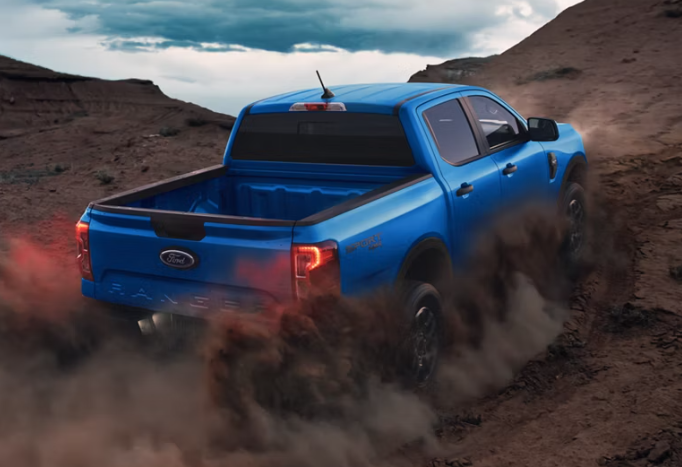
Blue 2026 Ford Ranger driving off-road

The 2.7L EcoBoost V6: More Muscle for Bigger Jobs

Upgrading to the 2.7L EcoBoost V6 brings 315 hp and 400 lb-ft of torque, gains of 45 hp and 90 lb-ft over the base four-cylinder. Those numbers translate to noticeably stronger acceleration and more confident towing performance. This engine requires four-wheel drive, adding capability for adventurous driving but eliminating the rear-wheel-drive efficiency option.

Power Delivery and Performance Benefits

The 2.7L V6 pushes the Ranger from 0-60 mph in 5.6 seconds, putting it in genuinely quick territory for a midsize truck. That acceleration proves useful when merging onto highways with trailers attached or navigating hilly terrain with heavy payloads. The additional torque means less downshifting during climbs and more relaxed cruising when loaded.

This engine maintains the same 10-speed automatic transmission, but its power advantage allows it to hold higher gears longer under load, resulting in smoother operation when towing and less transmission hunting during acceleration. The engine feels less stressed when working hard, which typically translates to better long-term durability.

Fuel economy naturally decreases with added performance. The 2.7L EcoBoost achieves 19 city/23 highway mpg in four-wheel-drive configuration, a modest penalty considering the substantial performance gains.

Towing Confidence for Weekend Adventures

The 2.7L EcoBoost matches the base engine's 7,500-lb towing capacity, but its extra torque makes towing feel substantially easier. When pulling a loaded trailer up steep grades, the difference between 310 lb-ft and 400 lb-ft becomes immediately apparent. The V6 maintains speed with less throttle input and requires fewer downshifts.

We regularly recommend this engine to customers who tow frequently rather than occasionally. If you're hauling boats to lakes most summer weekends, towing campers for extended trips, or transporting equipment for work or hobbies, the 2.7L EcoBoost provides the margin of safety and comfort that makes regular towing pleasant.

Four-wheel drive adds capability for boat launches and camping destinations with rough access roads. Combined with the Ranger's respectable ground clearance and available off-road packages, the 2.7L V6 creates a versatile adventure vehicle.

The 3.0L Twin-Turbo V6: Raptor-Level Performance Unleashed

The Ranger Raptor's 3.0L Twin-Turbo V6 represents a different philosophy entirely. With 405 hp and 430 lb-ft of torque available at 3,500 RPM, this engine prioritizes performance over utility. It's the choice for enthusiasts who view trucks as performance vehicles first and work tools second.

This powerplant delivers exhilarating acceleration and high-speed capability that exceeds what most drivers expect from a midsize truck. The twin-turbo configuration eliminates lag while maintaining strong power delivery across the rev range. Paired with the Raptor's Fox Live Valve shock setup and coil spring suspension, this engine enables high-speed off-road driving that would punish lesser trucks.

The Raptor makes significant tradeoffs, though. Its 5,510-lb maximum towing capacity falls well short of the standard Ranger's 7,500 lbs. The specialized suspension and performance focus reduce payload capability as well. This isn't the engine you choose for serious towing; it's the one you select when off-road capability and driving excitement matter more than utility.

For Phoenixville-area buyers, the Raptor appeals to weekend warriors who attack challenging trails rather than tow campers. If your idea of adventure involves rocky mountain paths, desert running, or muddy backcountry exploration, the 3.0L Twin-Turbo V6 provides the performance foundation that makes those activities genuinely thrilling.

How Engine Choice Impacts Towing Capacity and Payload

Understanding how each engine affects capability helps you match your Ranger to actual needs rather than aspirational ones. Here's how they stack up:

EngineHorsepowerTorqueMax TowingDrive ConfigurationBest For
2.3L EcoBoost I-4270 hp310 lb-ft7,500 lbsRWD or 4WDDaily commuting, light hauling, fuel efficiency
2.7L EcoBoost V6315 hp400 lb-ft7,500 lbs4WD onlyRegular towing, weekend adventures, balanced performance
3.0L Twin-Turbo V6 (Raptor)405 hp430 lb-ft5,510 lbs4WD onlyHigh-speed off-road performance, extreme terrain

The 2.3L and 2.7L engines share identical maximum towing capacity despite their power differences. However, that 7,500-lb rating feels vastly different between the two engines in practice. The 2.7L V6's extra torque makes towing near maximum capacity more comfortable and sustainable during long trips or challenging terrain.

The Raptor's lower towing capacity reflects its different mission. The specialized suspension and performance components reduce payload ratings, and the truck's geometry prioritizes off-road agility over towing stability. Choose based on how you'll actually use your truck rather than which specification sheet looks most impressive.

Picking the Right 2026 Ranger Engine for Your Lifestyle
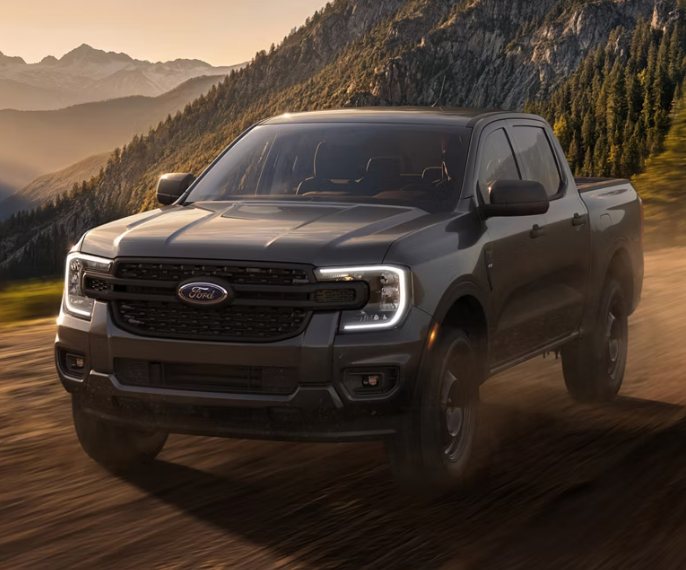
Gray 2026 Ford Ranger

Daily Commutes and Light-Duty Hauling

If your Ranger primarily serves as daily transportation with occasional utility use, the 2.3L EcoBoost makes both financial and practical sense. Its superior fuel economy saves money over years of ownership, especially if you're commuting from Phoenixville to Philadelphia or other regional employment centers.

This powertrain suits buyers who appreciate having a truck bed for occasional projects but don't regularly tow trailers or haul heavy loads. Perfect for homeowners who need to transport purchases from home improvement stores, outdoor enthusiasts who occasionally haul bikes or kayaks, and anyone who values fuel efficiency without sacrificing utility entirely.

The option for rear-wheel drive reduces purchase price and improves fuel economy if you don't need four-wheel-drive capability. For Pennsylvania's varied weather, four-wheel drive adds confidence during winter months, but many drivers manage fine with proper tires on rear-wheel-drive trucks.

Serious Towing and Off-Road Exploration

Regular towers and weekend adventurers benefit from the 2.7L EcoBoost V6's extra power and torque. If you're pulling a boat to the lake most summer weekends, towing a camper for extended trips, or hauling equipment for hobbies or side businesses, this engine's additional capability proves worth its modest efficiency penalty.

The V6 also suits buyers who enjoy exploring varied terrain beyond paved roads. Combined with four-wheel drive and available off-road packages, it creates a capable adventure vehicle that handles both highway towing and moderate trail driving.

For drivers prioritizing extreme off-road capability above all else, the Ranger Raptor with its 3.0L Twin-Turbo V6 represents a specialized tool. This truck excels at high-speed desert running, rock crawling, and other demanding off-road activities that would damage standard trucks.

Explore the 2026 Ford Ranger at John Kennedy Ford Phoenixville

Choosing between 2026 Ford Ranger engine options requires balancing specifications against real-world use. We encourage you to visit our dealership and experience these powertrains firsthand through test drives. Feeling how each engine responds under various conditions provides insights that specification sheets can't convey.

As part of the eight-store John Kennedy family, we offer extensive inventory with shared access across our dealership network. That means more configurations and options to find your ideal Ranger without compromising on features or waiting for special orders. Our team understands how Pennsylvania's diverse terrain and weather patterns affect vehicle choice, helping you select the powertrain that matches your driving reality.

Questions about which engine suits your needs? Call our sales team at 484-921-0763 or contact us online to discuss your specific requirements. We'll help you understand how each option performs with your intended use, whether that's daily commuting, weekend towing, or serious off-road exploration.

Ready to experience the difference between these engines yourself? Visit us at 730 Valley Forge Road in Phoenixville to test drive the 2026 Ford Ranger configurations that interest you most. You can also browse our complete truck lineup to compare the Ranger against other Ford trucks that might suit your needs. We're here to ensure you drive away confident in choosing the right powertrain for your lifestyle.

Posted in:

Related Posts

Ford F-150 Service

Ford F-150 Maintenance Checklist: Keep Your Truck Running Like New

Your Ford F-150 is built to handle demanding jobs and everyday driving with confidence. But keeping it running like new? That takes consistent care, the kind that stops small issues from turning into wallet-busting repairs. Whether you're hauling equipment across Pennsylvania or just commuting to work, sticking to the right Ford F-150 maintenance schedule protects your investment and keeps everything running smoothly for years. more Schedule Service New Ford F-150 Call Us Today! Understanding Your F-150's Maintenance Schedule Here's the thing about F-150 maintenance schedules: they're not one-size-fits-all. Your service needs change based on your model year, engine type, and how hard you work your truck. Drive style matters too. Towing heavy loads regularly, dealing with stop-and-go traffic, extreme temperatures, or taking your truck off-road counts as severe duty. Those conditions need more attention than steady highway cruising. Modern F-150s have this clever Intelligent Oil-Life Monitor (IOLM) that watches your actual driving habits. It looks at engine temperature, RPM, trip length, all that stuff, then calculates when service makes sense. Pretty smart system, but it works best when you also know Ford's recommended maintenance milestones. Essential Service Intervals Every F-150 Owner Should Know F-150 maintenance follows a logical pattern that matches up with how components actually wear out. Routine Maintenance (5,000-15,000 Miles) This is your maintenance foundation. Oil changes depend on what's under your hood. Standard driving lets you go 7,500-10,000 miles using Ford-approved 5W-30 full synthetic oil meeting current Ford specifications (consult your owner's manual for your engine's exact requirement). However, the EcoBoost engines or heavy use cuts that to 5,000-7,500 miles. Rotate those tires every 7,500-10,000 miles. Sounds simple, but it makes a real difference in how evenly they wear. During routine visits, good technicians check fluid levels, inspect belts and hoses, look at brake pad thickness, test battery condition. It's like a physical exam for your truck. Engine air filters typically need replacing every 15,000-30,000 miles (more often if you drive in dusty conditions). Cabin air filters keep your air quality decent, usually lasting 20,000-30,000 miles. Don't forget wiper blades during these visits, especially if you're dealing with Pennsylvania's seasonal weather changes. Mid-Range Services (30,000-60,000 Miles) As miles pile up, your service requirements expand. Brake inspections every 20,000 miles keep stopping power reliable. That 10-speed transmission needs fluid service somewhere between 30,000-60,000 miles, particularly if you tow regularly. Your cooling system starts demanding attention too, with the coolant flush recommended at 60,000 miles. Belt inspection gets more serious during this phase. The serpentine belt drives your alternator, water pump, power steering. Replace it before you see visible cracking, trust me on this one. Technicians will also examine your battery more carefully since most original batteries start showing their age around this mileage. Operating under severe conditions means axle fluids need service at 30,000 miles. That includes regular towing, dusty environments, lots of short trips under 5 miles, or extended idling. High-Mileage Milestones (100,000+ Miles) Six figures on the odometer doesn't mean retirement time. These trucks routinely exceed 200,000 miles with proper care. Spark plug replacement typically hits between 60,000 and 100,000 miles, depending on your engine. The EcoBoost engines generally benefit from earlier replacement around 60,000 miles, while naturally aspirated V8s are typically rated for up to 100,000 miles. The orange coolant system needs replacement here too, refreshing those corrosion inhibitors that protect internal components. Transmission fluid replacement (not just checking it) often makes the schedule at this point. Fresh fluid keeps shifts smooth and extends transmission life. Suspension components face closer scrutiny now. Shock absorbers, ball joints, tie rod ends wear gradually but really impact handling when they're shot. For 4x4 models, transfer case fluid service happens at 150,000 miles under normal conditions, or 60,000 miles for severe duty use. Thinking about keeping your truck well beyond this milestone? You might want to browse our new F-150 inventory to see what today's models offer. Oil Changes: The Foundation of F-150 Longevity Oil changes are absolutely the most important thing you can do for your F-150. Engine oil lubricates moving parts, cuts friction, removes contaminants, helps regulate temperature. The IOLM gives you personalized guidance based on how you actually drive, but checking the oil level manually between changes is still smart. Quality filters matter just as much. Cheap filters might not trap fine particles or maintain flow under tough conditions. Oil changes also give technicians a chance to spot developing problems. They'll notice metal particles that indicate internal wear, check oil color and consistency, look for leaks around seals and gaskets. Schedule your F-150 service today to build a relationship with technicians who learn your truck's history. Tire Rotations and Brake Inspections Tires connect you to the road, making their condition critical for safety and performance. The F-150's weight distribution creates uneven wear patterns without regular rotation. Moving tires around every 7,500-10,000 miles equalizes wear and extends their life, potentially adding thousands of miles to a set. During rotation, technicians check tread depth, look for unusual wear patterns that might indicate alignment issues, and verify tire pressure. Proper inflation improves fuel economy and prevents premature wear. Brake inspections usually happen during routine services. Your F-150's brake system works hard, especially when towing or hauling. Catching thin pads early prevents rotor damage, which costs significantly more to fix. Brake fluid should look clear or light amber. Dark fluid means moisture contamination and needs replacement soon. Warning signs like squealing, grinding, or pulsation during braking need immediate attention. These symptoms suggest pad wear, rotor damage, or caliper problems that affect stopping ability. Steering wheel vibration during braking often means warped rotors requiring resurfacing or replacement. Seasonal Maintenance Tips for Pennsylvania F-150 Owners Preparing Your F-150 for Pennsylvania Winters Pennsylvania's four seasons each present unique challenges. Getting your truck ready for winter protects against cold-weather failures and ensures reliable operation during snow and ice. Battery testing becomes crucial before winter hits. Cold temperatures reduce battery capacity, and a marginal battery that starts fine in summer will fail when temperatures drop. Most batteries last three to five years. Corroded terminals hurt charging efficiency, so cleaning connections during inspection helps reliability. Antifreeze strength testing ensures your cooling system handles sub-zero temperatures without freezing. Pennsylvania winters regularly see temps well below freezing, making proper coolant concentration essential. Low antifreeze levels or worn hoses can lead to overheating or freeze damage. Tire condition and tread depth matter way more in winter. Worn tires lose grip on snow and ice, increasing stopping distances and reducing control. Tire pressure drops about 1 psi per 10°F (approximately 5.6°C) temperature decrease, so checking and adjusting pressure monthly during cold months maintains proper road contact. Lower viscosity synthetic oil like 5W-30 helps cold-weather startups. Spring and Summer Maintenance After a Hard Pennsylvania Winter Spring preparation focuses on recovering from winter's harsh conditions. Wash away that road salt to prevent rust. Test your air conditioning before summer heat arrives to avoid uncomfortable surprises. Schedule seasonal service to help your F-150 handle Pennsylvania's changing weather. Warning Signs That Shouldn't Wait for Your Next Service Your F-150 talks to you when something needs attention. Ignoring these warning signs leads to bigger problems and higher repair bills. Dashboard Warning Lights and Strange Noises Dashboard warning lights have specific meanings. The check engine light means there's a fault code stored in your truck's computer. Oil pressure warnings demand immediate attention. Continue driving with low oil pressure and you can destroy your engine in minutes. Strange noises often point to specific problems. Squealing during acceleration suggests belt wear or tensioner failure. Clicking or popping when turning points to CV joint problems. Grinding during braking means metal-on-metal contact and damaged rotors. Knocking from the engine indicates serious internal issues needing expert diagnosis. Handling Changes and Fluid Leaks Changes in handling or performance shouldn't be ignored either. Pulling to one side while driving suggests alignment problems or tire issues. Vibration at highway speeds often indicates balance problems or damaged tires. Rough idling, hesitation during acceleration, or reduced fuel economy signal engine or fuel system problems. Transmission slipping or hard shifting needs immediate professional evaluation. Fluid leaks under your parked truck identify specific problems by color and location. Red fluid indicates transmission issues. Green or orange fluid points to coolant leaks. Dark brown or black oil suggests engine, differential, or transfer case leaks. Keep Your F-150 Running Strong at John Kennedy Ford Phoenixville Expert Service from Factory-Trained Technicians Following Ford's recommended service intervals keeps your F-150 performing reliably for years. Factory-trained technicians understand F-150 systems thoroughly and have access to technical information covering your specific model year and engine, including Ford technical service bulletins and software updates only available through authorized service. Our service department at John Kennedy Ford Phoenixville offers comprehensive F-150 service using genuine Ford parts designed specifically for your truck. We're located at 730 Valley Forge Road in Phoenixville, Pennsylvania, and our certified technicians stay current with the latest F-150 technology through ongoing factory training. Call us at 484-921-1042 to discuss your maintenance needs. Convenient Scheduling and Long-Term Service Benefits We offer flexible appointment times and convenience options, including Ford Mobile Service and pickup/delivery when possible. Building a service history at one location provides real advantages. Technicians familiar with your truck's maintenance records can spot patterns and anticipate future needs. Detailed service records also boost resale value, proving proper maintenance to potential buyers. Need guidance on your specific F-150 maintenance schedule or have questions about recommended services? Contact our team for personalized advice. We understand local Pennsylvania driving conditions and can recommend adjustments to standard intervals based on how you use your truck, keeping your F-150 running strong through every season and every mile.

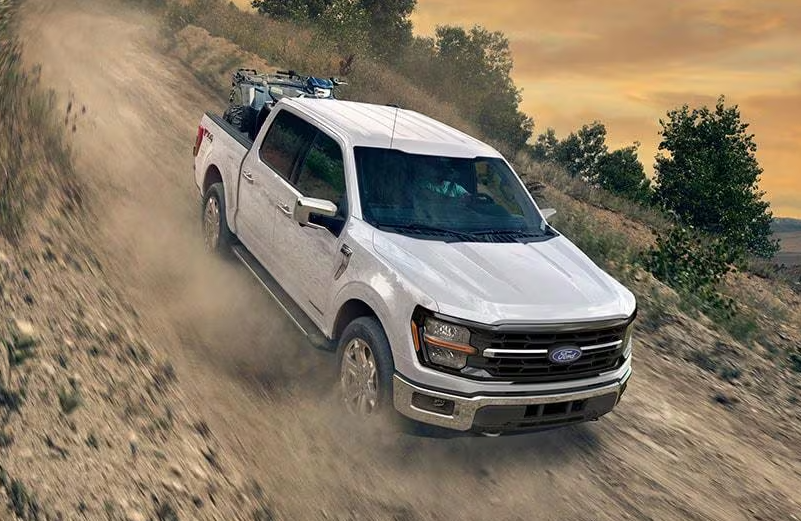
White 2026 Ford F-150 driving off-road

2026 Ford F-150 Trim Levels: Which Truck Fits Your Lifestyle?

Choosing the right pickup truck means finding one that matches how you actually use it. The 2026 Ford F-150 delivers exactly that kind of flexibility. Whether you're hauling equipment to job sites around Phoenixville, shuttling kids to weekend activities, or tackling backcountry trails, there's a configuration built specifically for your needs. America's best-selling truck keeps that title by offering something for everyone. From budget-conscious contractors to drivers who want leather seats and advanced technology on their daily commute. more New Ford Trucks New Ford F-150 Call Us Today! Getting to Know the 2026 Ford F-150 Lineup The F-150 lineup starts with straightforward work trucks and climbs through family-friendly options to luxury editions that rival premium SUVs. The base XL trim gives you reliable bones for serious work. Move through the STX, XLT, and Lariat, and you'll find progressively nicer interiors and more technology. The specialized Tremor and legendary Raptor handle off-road adventures that would stop most trucks cold. At the top, King Ranch and Platinum trims bring upscale materials and refinement that transform your truck into a statement piece. This range matters because not everyone needs the same truck. A landscaper running crews has different priorities than a family heading to the shore for vacation. The 2026 Ford F-150 acknowledges these differences with choices about engines, cab configurations, bed lengths, and feature packages. You can build exactly what works for your situation. You're not paying for capabilities you'll never use, but you're also not left wanting when you need something your truck can't deliver. Key Specifications at a Glance Here's how the major trims compare across essential specifications: Feature XL XLT Lariat King Ranch/Platinum Tremor Raptor Standard Engine 2.7L EcoBoost V6 2.7L EcoBoost V6 Multiple options Multiple options Multiple options 3.5L High-Output EcoBoost V6 Transmission 10-speed automatic 10-speed automatic 10-speed automatic 10-speed automatic 10-speed automatic 10-speed automatic Drive Options RWD or 4WD RWD or 4WD RWD or 4WD RWD or 4WD 4WD only 4WD only Key Features Ford Security Package, available Tow/Haul Package Pro Trailer Hitch Assist, available BlueCruise ActiveX-trimmed seating, premium audio Luxury materials, head-up display Off-road suspension, skid plates 37" tires available, Fox Racing Shocks, B&O Unleashed Sound System available Work-Ready Value: XL and STX Trims for Phoenixville's Hard Workers The XL trim strips away distractions and focuses on getting jobs done. This is the F-150 for contractors, fleet managers, and anyone who views their truck as a tool first. You get a durable vinyl interior that wipes clean, strong towing capacity with available Class IV trailer hitch, and the reliability Ford has built over decades. The cabin prioritizes function with straightforward controls and plenty of storage for work essentials. The STX adds personality without sacrificing that work-ready foundation. Sporty exterior styling gives your truck more presence on the road. Comfort upgrades make long days behind the wheel less taxing. You can still throw muddy tools in the back and wipe down the interior. But you won't feel like you're driving a stripped-down base model when you meet clients or run personal errands on weekends. Both options keep costs reasonable while delivering legitimate truck capability. These trucks handle heavy payloads, challenging towing, and years of hard use without complaint. For Phoenixville workers who need a dependable vehicle that won't drain their budget, the XL and STX deliver exactly what matters most. When you're ready to explore our new Ford trucks in person, we can show you the differences between these work-focused trims. The XLT: A Versatile Sweet Spot for Families and Daily Drivers The XLT represents the most popular choice for good reason. This trim balances capability with everyday comfort in ways that make sense for families juggling multiple demands. You get upgraded technology like Ford's SYNC infotainment system with smartphone integration, making navigation and hands-free calling simple. Safety features step up here too, with driver-assistance technologies that help prevent accidents during school runs and highway commutes. The XLT shines because it handles diverse roles without compromise. Take the kids to soccer practice in comfort, then hook up a camper for weekend getaways without thinking twice about capability. The available PowerBoost hybrid powertrain adds another dimension. It delivers impressive fuel efficiency for daily driving while maintaining the power you need when loads get heavy. Pro Trailer Hitch Assist and available Pro Power Onboard make this trim genuinely versatile. Interior quality takes a noticeable step up from the base trims. You'll find better materials, more comfortable seats for long drives, and additional storage solutions that keep family life organized. The XLT proves you don't have to sacrifice comfort to get genuine truck capability. Lariat: Elevated Comfort Without the Luxury Price Tag The Lariat brings premium features within reach for buyers who appreciate refinement but don't want to stretch into luxury pricing. ActiveX-trimmed seating transforms the cabin into a space you actually want to spend time in during long drives. The upgraded audio system delivers crisp sound quality that makes highway miles more enjoyable. Advanced driver-assistance technologies add layers of safety and convenience. This trim targets drivers who split time between work demands and personal enjoyment. You might tow a boat to the lake on Saturday, then drive to business meetings during the week. The Lariat handles both scenarios with equal competence, with customization packages that let you dial in specific features for your needs. The value proposition centers on getting luxury-adjacent features without the luxury price. You're moving well beyond basic transportation while keeping monthly payments reasonable. We can help you explore financing options that make the Lariat's premium features accessible. Built for Adventure: Tremor and Raptor Off-Road Trims The Tremor trim arrives ready for terrain that stops conventional trucks. Specialized suspension components, off-road tires, and selectable drive modes let you tackle challenging trails with confidence. You get skid plates protecting vital components, enhanced ground clearance for navigating obstacles, and engineering focused on capability rather than just appearance. The Tremor positions itself as the accessible adventure option for drivers who genuinely use their trucks beyond pavement. The Raptor takes off-road performance to extreme levels. This is the truck for enthusiasts who view challenging terrain as the whole point of ownership. The Raptor's 3.5L High-Output EcoBoost V6 delivers acceleration that feels ridiculous for something this size. Fox Racing Shocks and 37-inch tires soak up jumps and rough surfaces that would damage lesser trucks. Ford engineered this trim specifically for high-speed desert running and serious rock crawling. The Raptor R pushes even further with its 5.2L supercharged V8 producing 720 horsepower and 640 lb-ft of torque. If your weekends involve trails, sand, or rocks, these trims deliver capabilities you'll actually use rather than just features to brag about. Premium Luxury: King Ranch and Platinum for Those Who Want It All The King Ranch celebrates Western heritage with distinctive styling that sets it apart from every other truck on the road. High-quality leather with unique stitching patterns, premium wood accents, and upscale materials throughout create an environment that rivals luxury SUVs. This trim targets buyers who appreciate craftsmanship and want their truck to reflect success without shouting about it. The King Ranch carries genuine character rather than generic luxury. The Platinum pushes refinement even further. This represents the pinnacle of F-150 models for buyers who refuse to compromise on comfort or technology. Advanced seating with massage functions makes long drives genuinely relaxing. The technology suite includes features you'd expect in high-end luxury cars, from premium audio to sophisticated driver assistance systems. BlueCruise hands-free driving capability, available head-up display, and Mobile Office Package options ensure that experience matches luxury car expectations while maintaining the capability that defines the F-150. These top-tier trims acknowledge that many F-150 owners view their truck as their primary vehicle for all purposes. They commute in it, take road trips in it, and entertain clients in it. You're not choosing between truck utility and luxury comfort; you're getting both without compromise. Finding Your Perfect F-150 Match at John Kennedy Ford Phoenixville Visit Us to Compare Trims in Person We understand that choosing between F-150 trims requires thinking about how you actually use your truck. Our team at John Kennedy Ford Phoenixville won't push you toward unnecessary features or try to upsell you into a trim that exceeds your needs. Instead, you'll get honest guidance based on understanding your daily demands, weekend activities, and long-term plans. You can browse our 2026 F-150 inventory to see what we currently have in stock. We cover the full range from work-focused XL models to luxurious Platinum editions. Seeing the differences in person reveals details that photos and spec sheets can't capture. Sitting in an XLT versus a Lariat reveals comfort differences that matter when you're spending hours behind the wheel. Schedule a Test Drive and Drive Away Confident We encourage you to schedule a test drive at our Phoenixville location to experience these trims firsthand. Testing a Tremor shows whether off-road capability justifies the investment for your specific adventures. Our certified technicians ensure your F-150 stays reliable through years of use. Whether you're running a contracting business or managing family transportation needs. Choosing the right F-150 trim means understanding yourself as much as understanding the truck. The 2026 Ford F-150 delivers options for every legitimate need, from affordable work capability to luxurious daily driving. Your perfect match exists somewhere in this lineup. Contact our team at 484-921-0763 for personalized guidance, and we'll help you navigate these decisions to ensure you drive away in a truck that fits both your lifestyle and your budget.

Red 2026 Ford Escape Hybrid

How Ford's 2026 Hybrid and EV Models Fit Everyday Driving Needs

Sitting in traffic on Route 23 during rush hour or mapping out that weekend trip to Valley Forge shouldn't trigger worries about range or fuel costs. These concerns pop up daily at our dealership, and honestly, we get why picking between traditional, hybrid, and electric feels like such a big decision. Ford's 2026 hybrid and EV models were designed around the actual driving Chester County residents do every day (school pickups, supply runs to Home Depot, that commute to King of Prussia). Browse our hybrid and EV lineup to see how these vehicles tackle everything from quick errands to cross-state road trips. Ford's 2026 lineup spans both hybrid and all-electric choices across compact SUVs, pickups, and commercial vans. You won't have to compromise on the vehicle style you want just to get better efficiency or zero-emission driving. Hybrids combine gasoline engines with electric motors to slash fuel consumption without requiring charging infrastructure, while EVs offer pure electric performance for drivers ready to make the full switch. more New Ford Hybrids & EVs New Ford Specials Call Us Today! Understanding Ford's 2026 Hybrid and EV Options Hybrid vehicles marry a gasoline engine with electric motors that collaborate seamlessly, automatically switching between power sources depending on driving conditions. You still stop at regular gas stations (no charging required). Plug-in hybrids (PHEVs) add battery charging capability so you can drive purely on electricity for shorter distances, then shift to hybrid mode once electric range depletes. All-electric vehicles run completely on battery power. You charge them at home overnight using a standard outlet (Level 1) or faster with a 240-volt setup (Level 2). Public fast-charging stations can add substantial range in 30 to 40 minutes during longer trips. Ford engineered their EVs with sufficient range to handle typical daily driving without constant charging stops. The choice between hybrid and electric boils down to your driving patterns and charging access. Hybrids excel when you want better efficiency without changing refueling habits. EVs make the most sense when you can charge at home consistently and cover predictable daily distances. Both reduce or eliminate tailpipe emissions, though EVs produce zero emissions while driving. 2026 Ford Hybrid Models: Efficiency Meets Everyday Practicality Ford's hybrid lineup delivers practical efficiency across three vehicle categories (proven powertrains built for families, small business owners, and anyone wanting better fuel economy without sacrificing utility). Ford Escape Hybrid and Plug-In Hybrid The Escape Hybrid achieves 42 mpg city and 36 mpg highway with its 2.5-liter Atkinson-cycle engine and electric motors, creating 192 horsepower total. Compare that to the regular gasoline Escape getting around 27 mpg city (FWD 1.5L EcoBoost), and you're looking at nearly half the fuel stops during your Chester County commute. Pick front-wheel drive for maximum efficiency or add all-wheel drive for winter weather. The Escape Plug-In Hybrid bumps output to 210 horsepower and adds 37 miles of electric-only range. Your morning run to King of Prussia Mall and back could use zero gas if you plugged in overnight. When the battery runs down, it operates like a regular hybrid getting 40 mpg combined. Both Escape options fit into the Ford SUV family, providing cargo space while cutting fuel costs. Ford Maverick Hybrid Ford built the Maverick Hybrid as America's most fuel-efficient pickup, pairing a 2.5-liter four-cylinder with a permanent-magnet electric motor for 191 horsepower. The compact unibody design makes parking easier than traditional full-size trucks while still delivering a useful bed for Home Depot runs or weekend gear. This hybrid setup excels in stop-and-go traffic where the electric motor handles low-speed driving, saving fuel during inefficient conditions that devastate conventional truck mileage. The Maverick's size and efficiency hit the perfect spot for suburban homeowners who need truck capability occasionally but don't want to drive or fuel a massive pickup every day. Ford F-150 PowerBoost Hybrid The F-150 PowerBoost doesn't force you to choose between capability and efficiency. Ford's hybrid system pairs a V6 with electric motors to produce 430 horsepower and 570 lb-ft of torque (enough to tow up to 11,600 pounds when properly equipped). That matches or beats many conventional F-150 engines while delivering hybrid fuel savings. Pro Power Onboard transforms your truck into a mobile generator with up to 7.2 kilowatts of exportable power. Run tools at job sites without hauling a separate generator, keep appliances going during outages, or power your campsite at French Creek State Park. The hybrid system also runs quieter at low speeds, makes merging onto I-76 smooth, and delivers instant torque for confident passing. For contractors, small business owners, or anyone using their truck for work and family life, the PowerBoost provides full-size capability with noticeably better fuel economy. 2026 Ford Electric Vehicles: All-Electric Daily Driving Ford's all-electric vehicles eliminate gas stations entirely, running purely on battery power. These models target drivers ready to embrace charging infrastructure while enjoying zero tailpipe emissions, lower operating costs, and instant electric torque. Ford Mustang Mach-E The Mustang Mach-E brings athletic performance to the electric SUV category. Ford's EPA estimates range from 226 miles for the lowest-range configuration up to 320 miles for the Premium RWD extended-range model, with the GT rated at 280 miles, handling most daily driving with buffer. That instant electric torque makes merging into highway traffic effortless. Inside, you'll find a spacious cabin with SYNC 4 infotainment that helps locate charging stations and plans routes based on battery level. The elevated SUV seating provides excellent visibility while the hatchback design offers flexible cargo space. Fast-charging adds serious range during a lunch break when needed. Ford F-150 Lightning The F-150 Lightning reimagines America's best-selling truck as an all-electric powerhouse. Ford's EPA estimates show 240 to 320 miles of range depending on battery size, covering the vast majority of daily truck use without mid-day charging. The Lightning maintains the F-150's legendary capability with substantial towing and payload ratings. Pro Power Onboard reaches up to 9.6 kilowatts in the Lightning, making it a serious backup power solution. During extended outages, the Lightning can supply your house with electricity for days depending on usage. The huge front trunk (frunk) adds weatherproof storage where the engine normally sits (perfect for tools, groceries, or gear you want secure). The electric drivetrain delivers instant torque that completely changes the driving experience. Acceleration feels strong and seamless, and the truck runs whisper-quiet. For drivers who use their truck regularly but rarely exceed 200 miles daily, the Lightning offers lower per-mile operating costs while keeping F-150 versatility. Ford E-Transit The E-Transit targets commercial and fleet use where predictable routes and overnight charging make electric operation ideal. Ford's EPA estimates show 126 to 159 miles of range, aligning with typical delivery, service, and local business driving. Zero-emission operation helps businesses meet sustainability targets while cutting fuel costs in stop-heavy urban driving. Ford designed the E-Transit to work with fleet management systems, providing data on vehicle location, charging status, and usage that helps optimize operations. The familiar Transit platform means drivers adjust quickly, and the huge cargo area handles the same equipment as the gas version. For businesses operating mainly in the Philadelphia area with defined service areas, the E-Transit cuts costs without operational compromises. Charging and Range: What Phoenixville-Area Drivers Should Know Home Charging: Your Daily Foundation Charging infrastructure keeps expanding throughout Chester County and the broader Philadelphia region. Home charging forms the foundation for most EV owners (you plug in overnight using a standard 120-volt outlet or install a faster 240-volt charger that fully charges the battery in several hours). This means starting each day with full charge. Public and Fast Charging on the Road Public charging covers you when traveling beyond typical range. Level 2 chargers appear in parking lots throughout King of Prussia, adding range while you shop or work. DC fast chargers provide the quickest charging along major routes. Ford's switch to the North American Charging System (NACS) will unlock Tesla's Supercharger network, dramatically expanding fast-charging options across Pennsylvania. What to Expect from Real-World Range Real-world range usually runs lower than EPA estimates, especially in cold weather or at highway speeds. Think of EPA estimates as optimistic targets rather than guarantees. Temperature affects battery performance (cold weather cuts range while moderate conditions deliver peak efficiency). Highway driving at 70+ mph uses more energy than city driving where regenerative braking captures power. Plug-In Hybrids: Charging Is Optional For plug-in hybrids like the Escape PHEV, charging stays optional but maximizes fuel savings. Charge nightly to maximize electric-only driving, or skip charging and run as a regular hybrid when convenient. This flexibility eliminates range anxiety since the gas engine provides unlimited range. Hybrid or Electric: Matching the Right Model to Your Lifestyle When a Hybrid Makes More Sense Your driving patterns should guide the decision between hybrid and electric. Hybrids work best when you regularly cover long distances, lack home charging, or frequently travel beyond urban areas where charging infrastructure remains sparse. They deliver immediate efficiency gains without requiring changes to refueling habits or route planning. The Case for a Plug-In Hybrid Plug-in hybrids bridge both worlds. Use electric power for daily errands and short commutes, then lean on the gas engine for longer trips or when charging isn't available. This combination works especially well if daily driving stays under 40 miles but you occasionally need to drive several hundred miles without worrying about charging stops. When an All-Electric Vehicle Is the Right Fit All-electric vehicles suit drivers with predictable routines, home charging access, and daily mileage that stays comfortably within range. If your longest regular drive is commuting plus occasional shopping trips, an EV eliminates almost all refueling stops since you charge overnight. Weekend trips need more planning to account for charging stops, though the growing fast-charging network keeps improving this experience. Understanding the Total Cost Picture Budget considerations go beyond purchase price. EVs typically cost less per mile to operate than hybrids, which cost less than conventional gas vehicles. However, home charging installation adds upfront costs if you want Level 2 charging speeds. Tax credits and incentives might apply to certain new Ford electric purchases, though eligibility requirements change and depend on factors like income and vehicle sourcing. Research current incentives that might apply to your situation. Experience Ford's Electrified Lineup at John Kennedy Ford Phoenixville Reading fuel economy numbers and range specs only tells part of the story. The real difference comes from experiencing how these vehicles perform during your actual driving. We encourage Phoenixville-area drivers to test the 2026 Ford hybrid and EV models that match their lifestyle needs. Feel how instant torque changes merging and passing, experience quiet electric operation, and understand how the technology works in real conditions. Expert Guidance Matched to Your Needs Our team at John Kennedy Ford Phoenixville helps drivers figure out which electrified Ford model fits their specific situation. We discuss your typical driving patterns, charging access, and vehicle needs to recommend options that actually improve your daily experience. Whether you're considering the compact efficiency of the Maverick Hybrid, the family-friendly versatility of the Escape PHEV, the all-electric performance of the Mustang Mach-E, or the capable F-150 Lightning, we provide honest guidance based on how you really use your vehicle. Ford's 2026 lineup shows their commitment to practical electrification across vehicle types Americans already drive and trust. These aren't experimental vehicles (they're everyday transportation designed to cut fuel costs, reduce emissions, and deliver modern performance and technology). Visit our dealership on Valley Forge Road to check out these models in person and discover how Ford's hybrid and electric vehicles fit seamlessly into Chester County driving.